


Climate Disasters: The New Normal for the Himalayas?
Merina Ranjit (COO), Chetna Gurung, Chaudhary Foundation · October 13, 2026
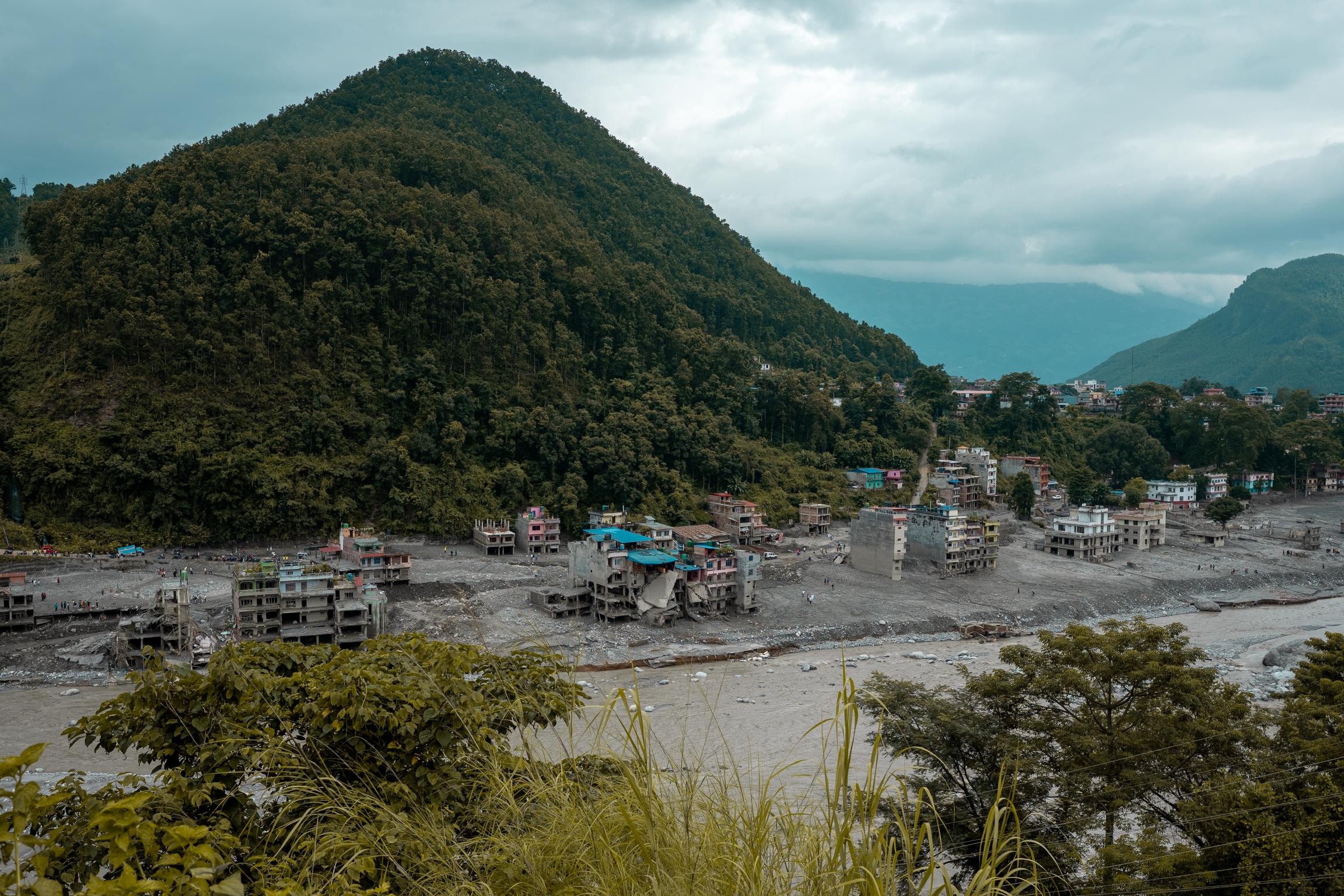
On the morning of August 26, Suhail came running home from school. His teacher had told the students to leave immediately and move to higher ground because floodwaters were approaching Trishuli. Instead of heading straight to safety, Suhail rushed home to alert his mother, Sharmila, and helped her escape with him. As they stepped out of their four-storey house, they watched it being swept away in a matter of seconds.
Sharmila ran a stationery and bookshop in Trishuli Bazaar. As she recounts what happened, her eyes fill with tears. She and her husband had built their business over nearly two decades, starting with just a few hundred rupees. With their children grown up, they had begun thinking about slowing down, travelling, and enjoying life a little more. Now, after the Bhote Koshi floods, they are back at square one. Years of hard work have disappeared in an instant.
The devastating floods of August 2026 caused significant damage across Rasuwa, Nuwakot and Dhading, affecting more than 80,000 people. According to the Rapid Damage and Needs Assessment (RDNA), the floods affected 7,570 private houses and damaged 69 kilometres of roads, 37 motorable bridges and 68 suspension bridges. Overall, the disaster caused more than NPR 408 billion in damage and losses, while recovery and reconstruction needs were estimated at approximately NPR 723 billion.
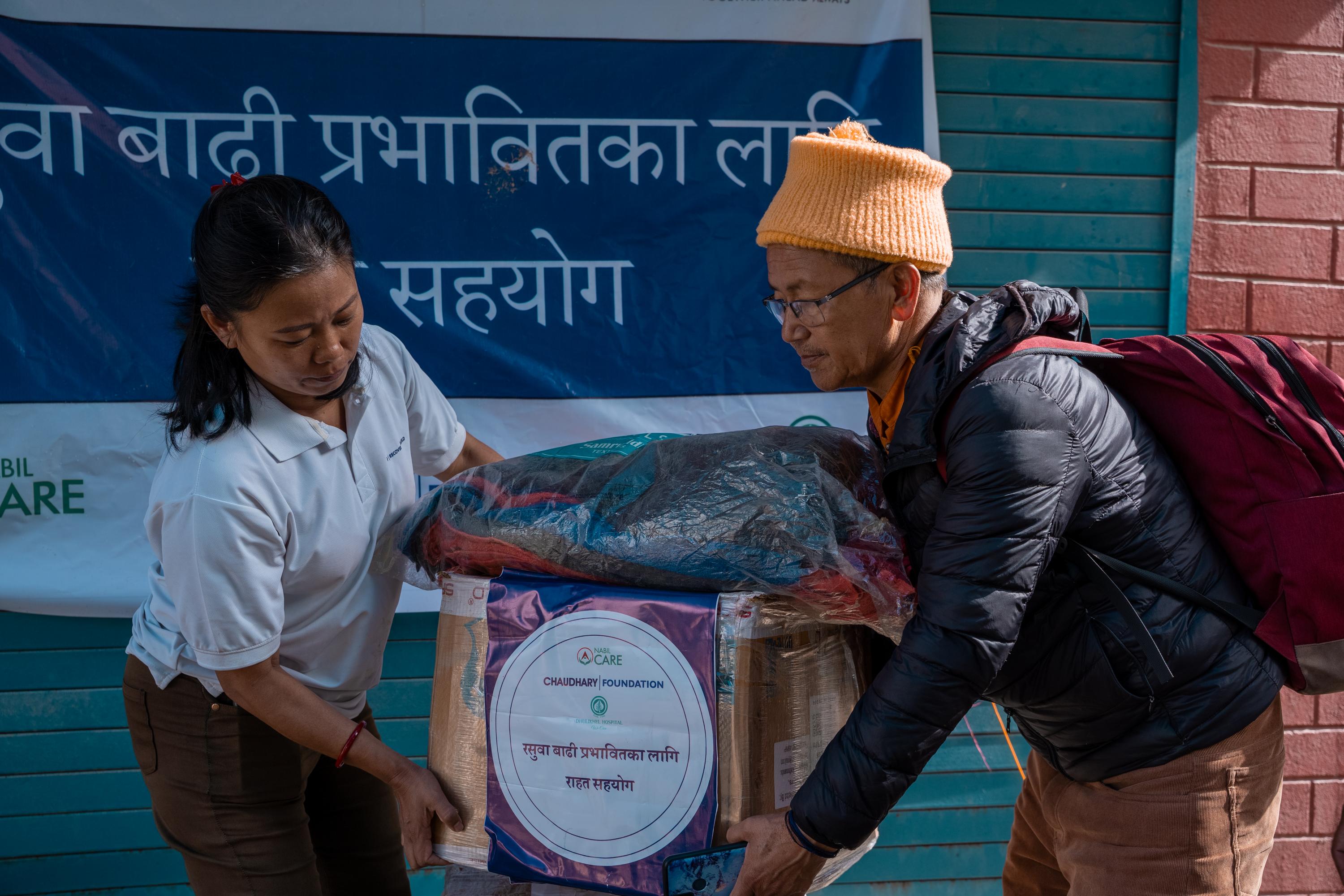
These figures represent far more than damaged infrastructure. Behind every affected house is a family trying to rebuild its life. Behind every destroyed bridge are communities struggling to reach schools, hospitals and markets. When roads are cut off, businesses cannot transport goods, farmers cannot reach buyers, and supply chains are disrupted. Given the scale of the damage, an urgent question remains: who will take responsibility for turning these assessments into coordinated action and lasting recovery?
In Syafrubesi, an elderly woman is staying at a temporary holding centre with her grandchildren. Her son and daughter-in-law, who travelled to Timure each morning for daily-wage work, were swept away by the Bhote Koshi. Rasuwa Gadhi, a key crossing on the Nepal–China border, has supported the livelihoods of around 1,000 villagers, many of whom worked as porters, labourers and in other jobs connected to cross-border trade. That source of income has been severely disrupted. For this grandmother, the future is now uncertain, and she must face it while caring for her grandchildren.
The impact of a climate-related disaster cannot be measured only by the force of the water or the volume of debris it carries. It must also be measured by the damage to the lives and livelihoods of communities, many of whom may have little understanding of climate change but experience its consequences directly. For people across Nepal, a flood can mean losing a home, the road to the nearest market, a source of income, or even access to essential services. Nepal’s steep terrain, settlements along rivers and changing climate conditions make floods and landslides a serious and growing concern. Recent floods in the Bhote Koshi, Kali Gandaki and Budhi Gandaki river systems have shown how quickly a disaster can disrupt everyday life and local economies.
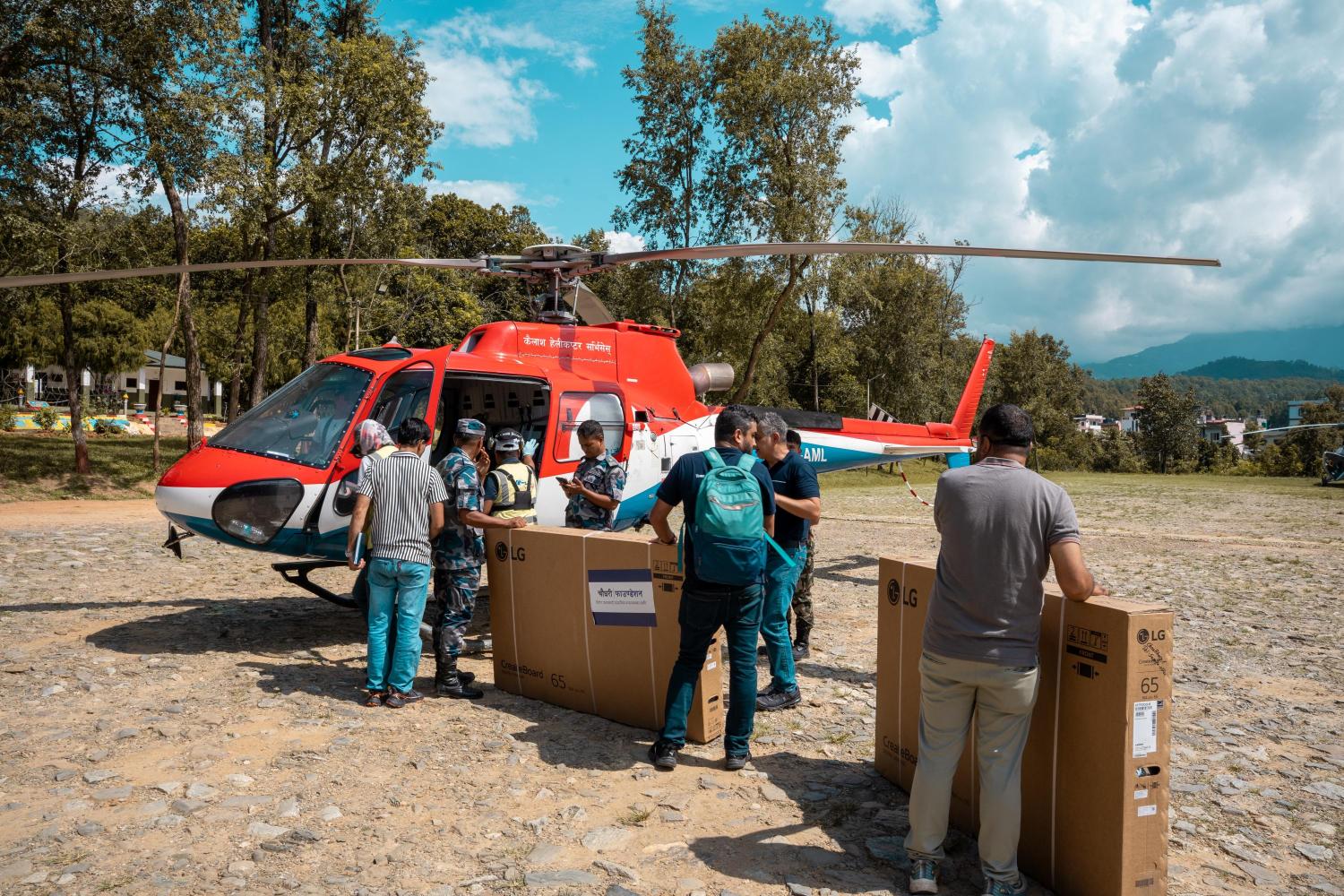
As communities across the Hindu Kush Himalayan (HKH) region face repeated climate-related disasters, disaster risk reduction (DRR) can no longer be treated as optional; it is a necessity. Preparedness must go beyond keeping an emergency bag at home. It also means asking difficult questions about where homes and settlements are built, whether evacuation routes are safe, and whether critical infrastructure can withstand the hazards it may face. People living downstream and in other high-risk areas need clear information, practical evacuation plans and support to move to safer places where necessary.
These measures require science-based policies, effective coordination and accountability. Early-warning systems, regular river monitoring, safer settlement planning, resilient roads and bridges, clearly marked evacuation routes, emergency supplies and community preparedness can reduce both human and economic losses. Preparedness must also be integrated into everyday development and business planning. A bridge should not simply connect communities; it should be designed to withstand the hazards those communities face. Roads, markets, homes and essential services must be planned with future risks in mind.
The lessons from the recent floods are clear: we may not be able to prevent every flood, but we can prepare better and reduce its consequences. Investing in DRR today can help communities recover faster, protect livelihoods and businesses, and prevent disasters from wiping out years of hard-won progress. For Nepal, resilience is not only about responding after disaster strikes. It is about protecting the people, communities and local economies that keep the country moving forward.
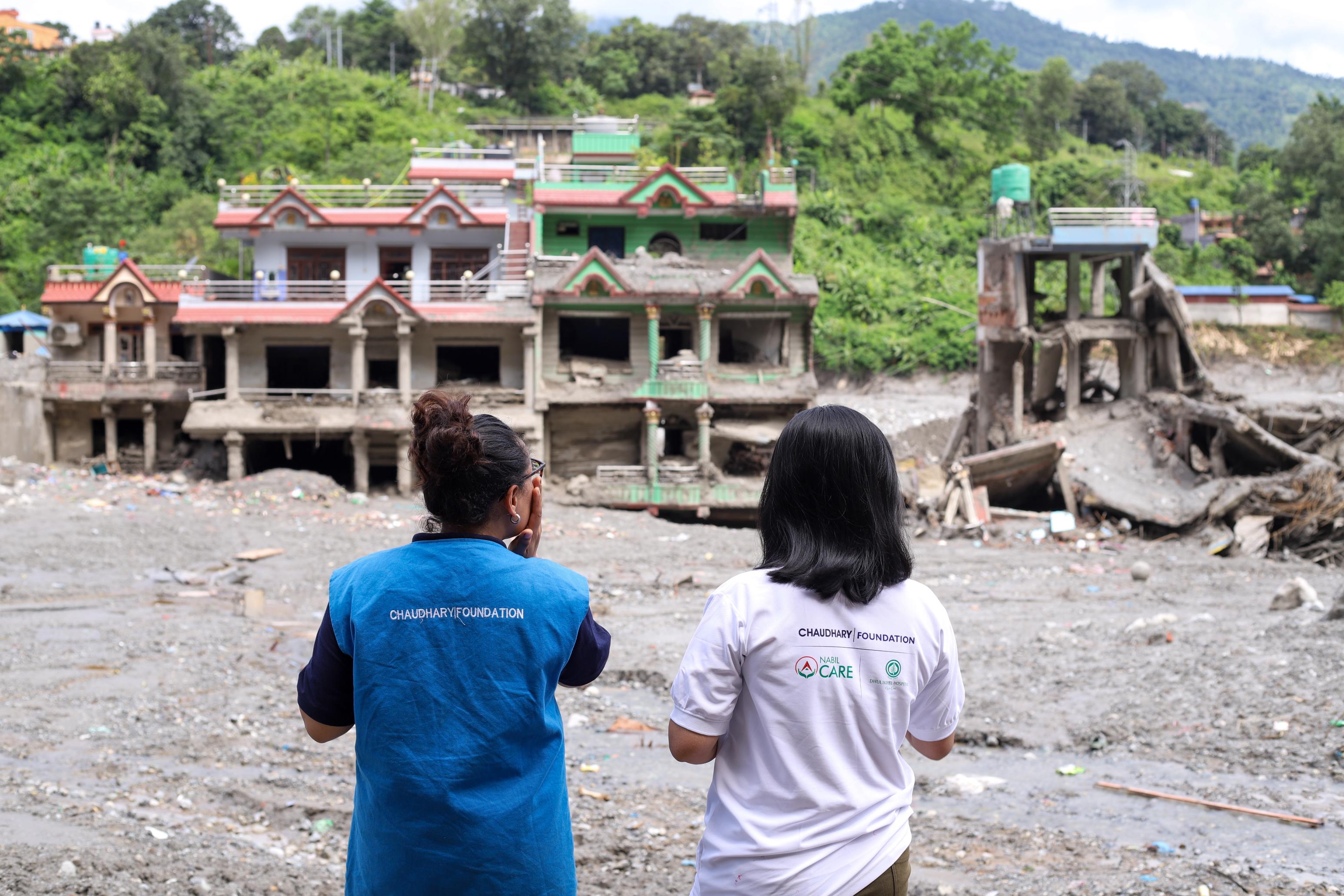
Building resilience cannot be the responsibility of one institution or community alone. It requires sustained collaboration among all levels of government, local communities, businesses, experts and development partners. The challenge now is to turn lessons and assessments into action, with clear responsibilities, adequate resources and accountability. As climate-related disasters become an increasingly urgent reality for the Himalayas, the question is no longer whether Nepal should invest in preparedness, but how quickly it can do so.